

26/04/2026
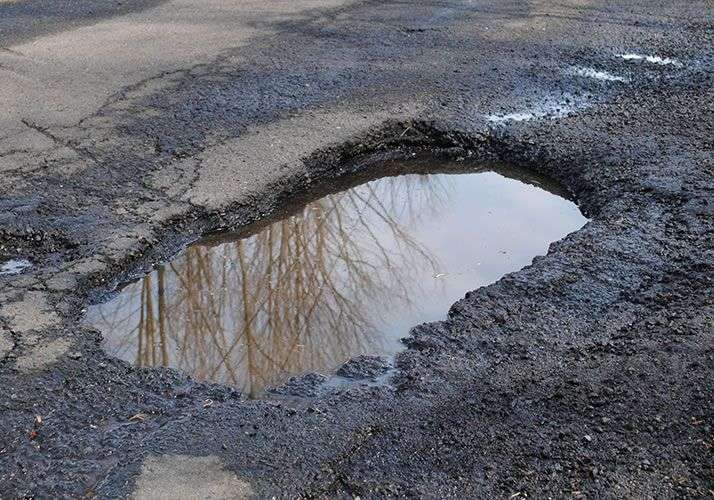
Potholes. The mere mention of the word is enough to make drivers cringe. These annoying road hazards seem to appear out of nowhere, wreaking havoc on tires and suspensions, and causing headaches for motorists. But have you ever wondered what causes these pesky potholes in the first place? In this blog, we'll dive into the reasons behind their formation and explore potential solutions for their repair.
 Potholes are depressions or cavities that form on the surface of roads, typically made of asphalt or concrete. They can range in size from small divots to larger craters and are caused by the deterioration of the road's structure. Potholes can be a significant nuisance for drivers as they pose risks to vehicle tires, suspension systems, and overall road safety.
How do Potholes Form?
- During the winter months, water can freeze and expand, exerting pressure on the surrounding pavement. This freeze-thaw cycle weakens the road's structure and causes it to deteriorate over time. As vehicles pass over the weakened area, the pavement breaks down, forming a pothole.
- Another factor that contributes to pothole formation is heavy traffic. Constantly driving over a particular section of road puts stress on the pavement, especially when combined with the freeze-thaw cycle. Over time, the repeated pressure weakens the road, making it more susceptible to pothole development.